

QA and QC
Quality assurance (QA) sets up the system, quality control (QC) verifies the result; the two work together — a final inspection alone does not prevent incorrect work from occurring in the first place.
Site içi arama
Ne arıyorsunuz?
Suggested Pages
0 resultsNo results found for your search term.
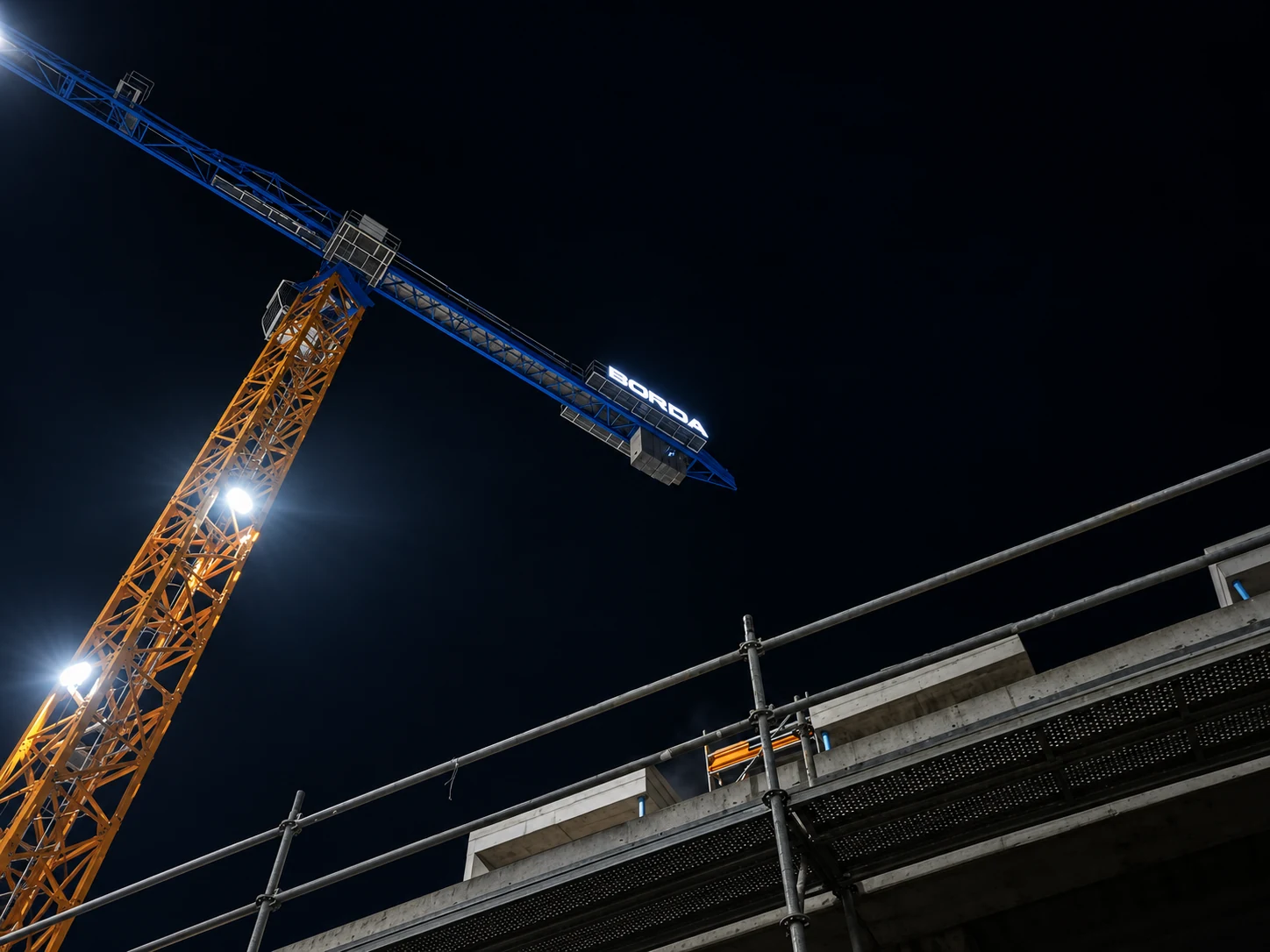
Verifying the quality of the works through inspection and record-keeping, alongside the planned management of occupational health and safety risks.
Quality and safety are not treated as two separate items checked at the end of the site process. When a construction method is defined, how it will be inspected and under what risks it will be carried out are considered just as carefully as how it will be executed. Borda Yapı manages quality and safety processes within a cycle of planning, execution, inspection, recording, and improvement.
SYSTEM SCOPE
ENGINEERING PROCESS
DELIVERY APPROACH
Quality assurance (QA) sets up the system, quality control (QC) verifies the result; the two work together — a final inspection alone does not prevent incorrect work from occurring in the first place.
The Inspection & Test Plan defines in advance which work is inspected at which stage and against which criteria — so that a critical element is never checked only after it has already been closed up.
The execution method is thought through before work starts; it is one of the key tools that brings quality controls and the related safety measures together within the same method of working.
We do not hide non-conformances; we define and close them out, following a flow of detection, recording, evaluation, corrective action, re-inspection, and closure.
We assess hazards before work begins, not after it has started; work at height, energy sources, lifting operations, and chemicals are all part of the risk assessment.
We bring safety information down to the site; high-risk activities such as hot work, confined space entry, work at height, and lifting operations can be subject to a controlled permit-to-work system.
The priority is to reduce the risk of falling at the source; work platforms, collective protection systems, scaffolding, and anchorage requirements are assessed according to the conditions of the work.
Order is the foundation of safety. Waste management, access routes, and material storage are all part of daily site discipline.
Two sides of the same execution decision: the right work platform not only keeps work safe but also improves execution quality by giving workers easier access to the detail.
FREQUENTLY ASKED QUESTIONS
QA establishes the quality system and processes that reduce the occurrence of errors. QC checks whether the product or work meets the specified requirements. On a construction project, the two need to work together.
An Inspection & Test Plan is a control plan that defines the stages at which a work item is inspected, its acceptance criteria, the responsible parties, and the records required.
A hold point is a stage beyond which work must not proceed until a specified inspection or approval has been completed; it is defined according to the project contract and the quality plan.
A Non-Conformance Report is the formal recording of a condition that fails to meet specified project or quality requirements, together with tracking of its correction and closure.
It describes how a specific task will be carried out, in what sequence and with what method, along with the resources to be used, the quality controls, and the relevant safety measures.
In addition to general site-wide risk assessments, task-specific assessments may also be required for particular activities or conditions. The assessment is updated whenever conditions change.
It is a short, direct safety briefing given to the site team on a specific task or risk. It does not replace formal training; it reinforces day-to-day site awareness.
It is a controlled work-permit system that ensures certain high-risk activities do not start until the required preconditions have been met.
An incident that did not result in injury this time could have a more serious outcome if the same conditions recur. Near-miss records help identify hazardous conditions early.
No. Specialists are an important part of the system, but safe site behavior requires the shared commitment of project management, site managers, subcontractors, and workers.
No. Many critical details become invisible once completed; for this reason, quality control is carried out at different stages of the work.