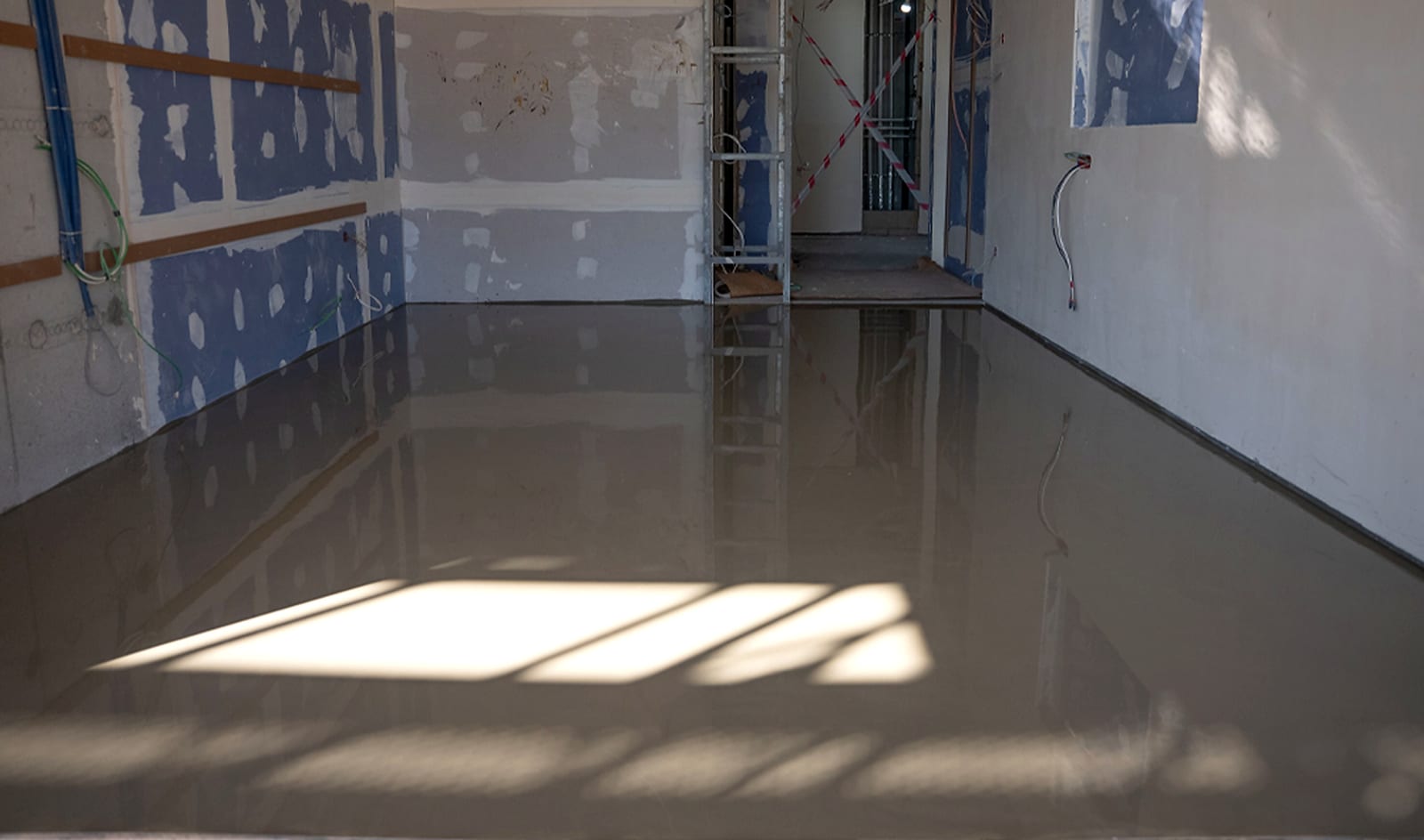
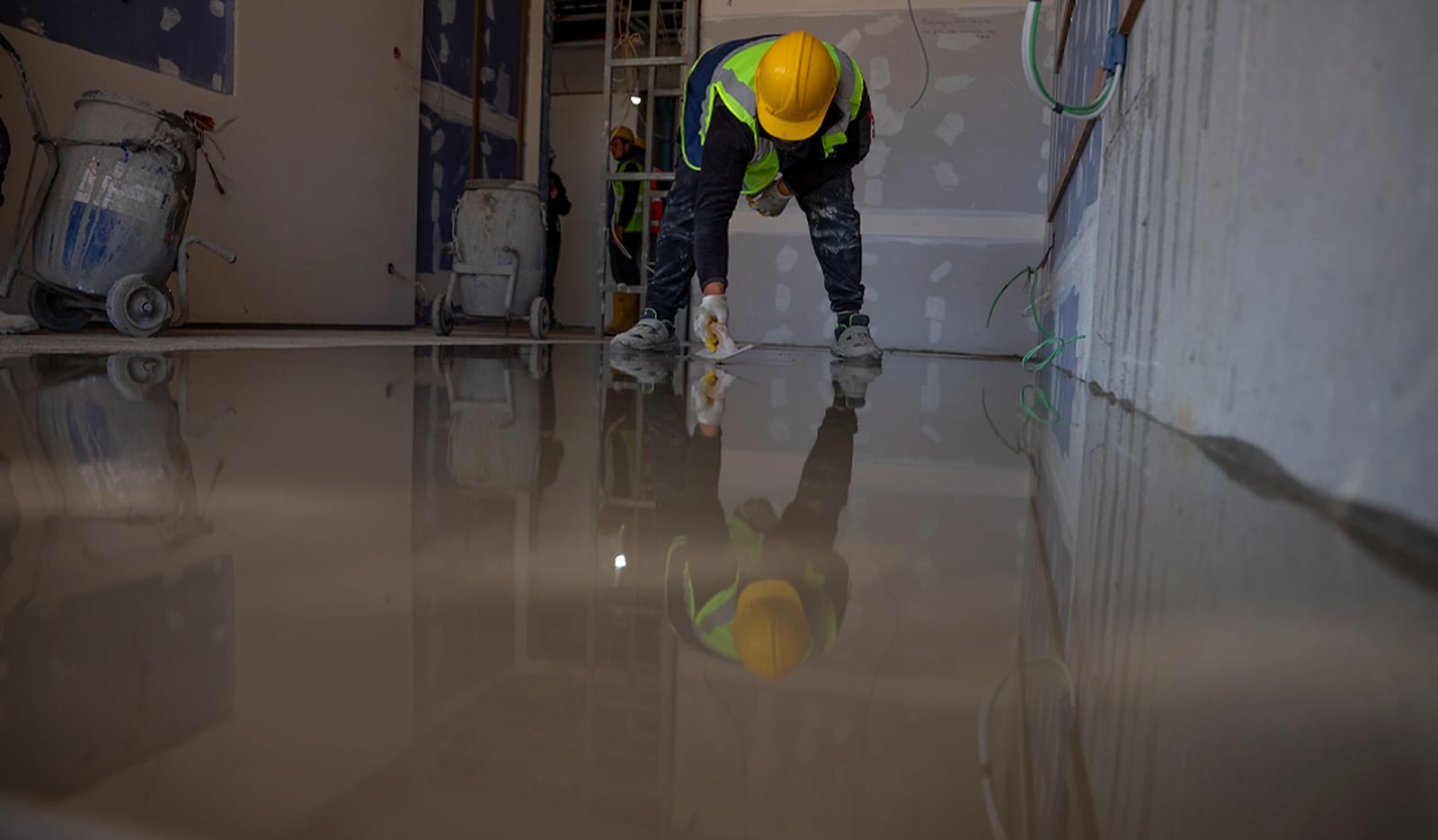
Existing Condition
The first design document is the existing building itself. Dimensions, levels, surfaces, relationships with structural elements, access conditions, and operational constraints are all assessed before work begins.
Site search
What are you looking for?
Suggested Pages
0 resultsNo results found for your search term.
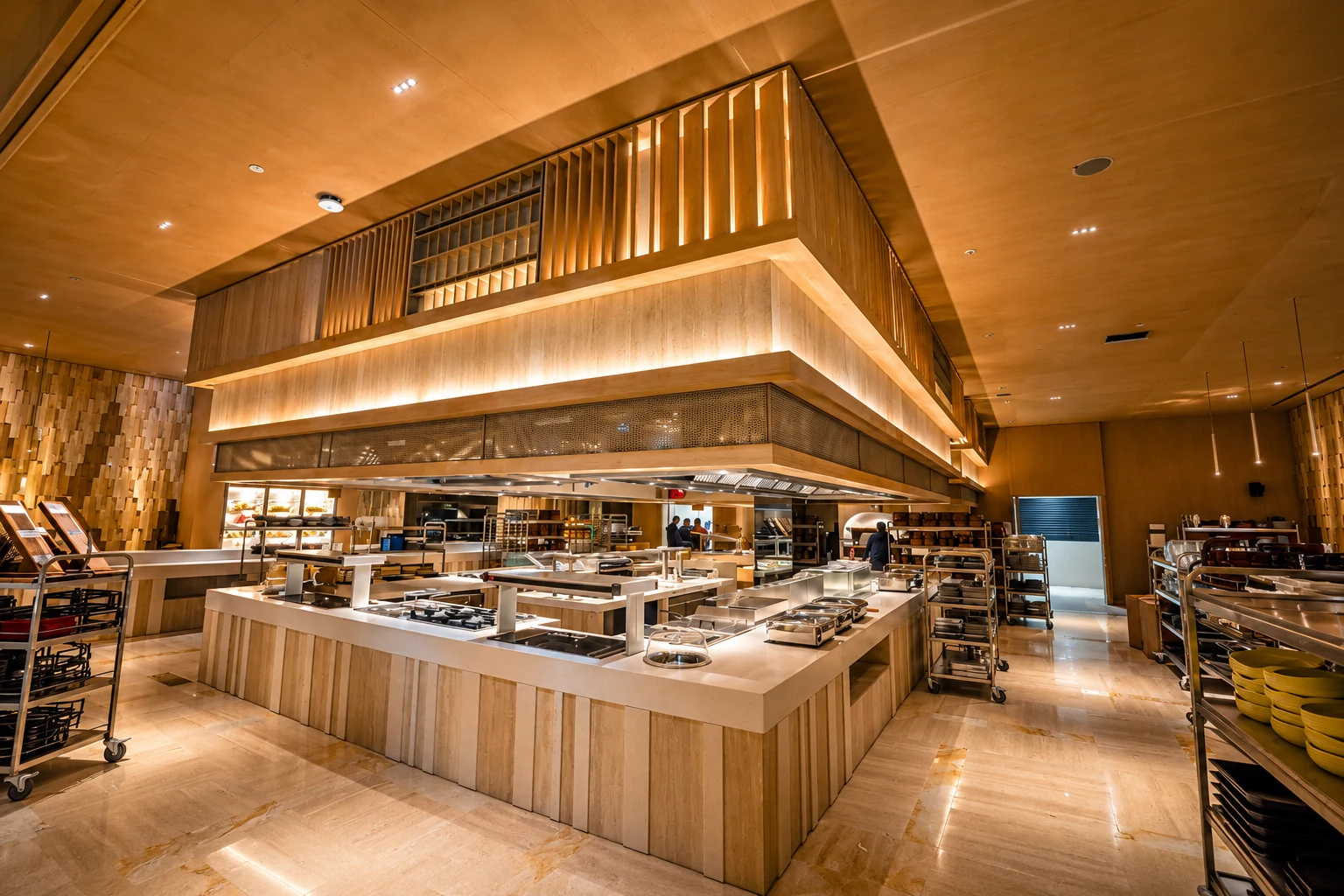
Management of refurbishment from the analysis of existing building conditions, through controlled demolition, rebuilding, systems integration, and handover.
Renovation is different from building new on an empty plot. New design decisions have to be evaluated alongside the existing structural system, existing finishes, concealed infrastructure, operational conditions, and any interventions made previously. For this reason, a renovation process begins not with assumptions, but with reading the existing condition as accurately as possible.
SYSTEM SCOPE
ENGINEERING PROCESS
DELIVERY APPROACH
The first design document is the existing building itself. Dimensions, levels, surfaces, relationships with structural elements, access conditions, and operational constraints are all assessed before work begins.
Demolition is the first construction stage of a renovation. Demolition limits, temporary protection, material movement, and waste removal are planned in advance, and the actual conditions revealed are reassessed as work proceeds.
Renovating a building while it remains in operation requires a different discipline. Noise, dust, material handling, occupant circulation, emergency exits, and working hours are all planned in coordination with facility operations.
The renovation program defines not only when each task is carried out, but also when each area is vacated and when it is handed back into use.
Existing buildings always hold unknowns. The goal is not for the site team to proceed on its own assumptions, but to follow a clear flow of detection, recording, technical evaluation, decision, and execution.
Differing levels, materials, tolerances, surface conditions, and structural movement all affect the detail solution — which is why junction areas can demand more attention than in new-build projects.
When a renovation is completed, it is not only the new work that is checked, but also the overall consistency with the areas left untouched. Handover can take place by area or by phase.
FREQUENTLY ASKED QUESTIONS
In new construction, execution largely follows the system as designed. In renovation, the new design has to be reconciled with the existing structure and actual site conditions.
Depending on the scope of the project and operational conditions, some works can be carried out while the hotel remains operating, through phasing, work-area isolation, and dedicated logistics arrangements.
As-built records do not always fully reflect actual conditions. A site survey helps reduce unknowns before execution begins.
The condition is recorded, its technical impact is assessed, and work continues only once the necessary approval or decision has been obtained.
Scope, access to areas, the facility's operating status, material lead times, conditions that may emerge after demolition, and the phasing method are all evaluated together.
Materials that are technically and architecturally suitable can be retained or reused, depending on the project decision; this requires the demolition and protection method to be planned accordingly.
There is no single risk. Incomplete knowledge of existing conditions, lack of coordination with operations, uncontrolled demolition, poorly managed revisions, and time constraints are the main risks.