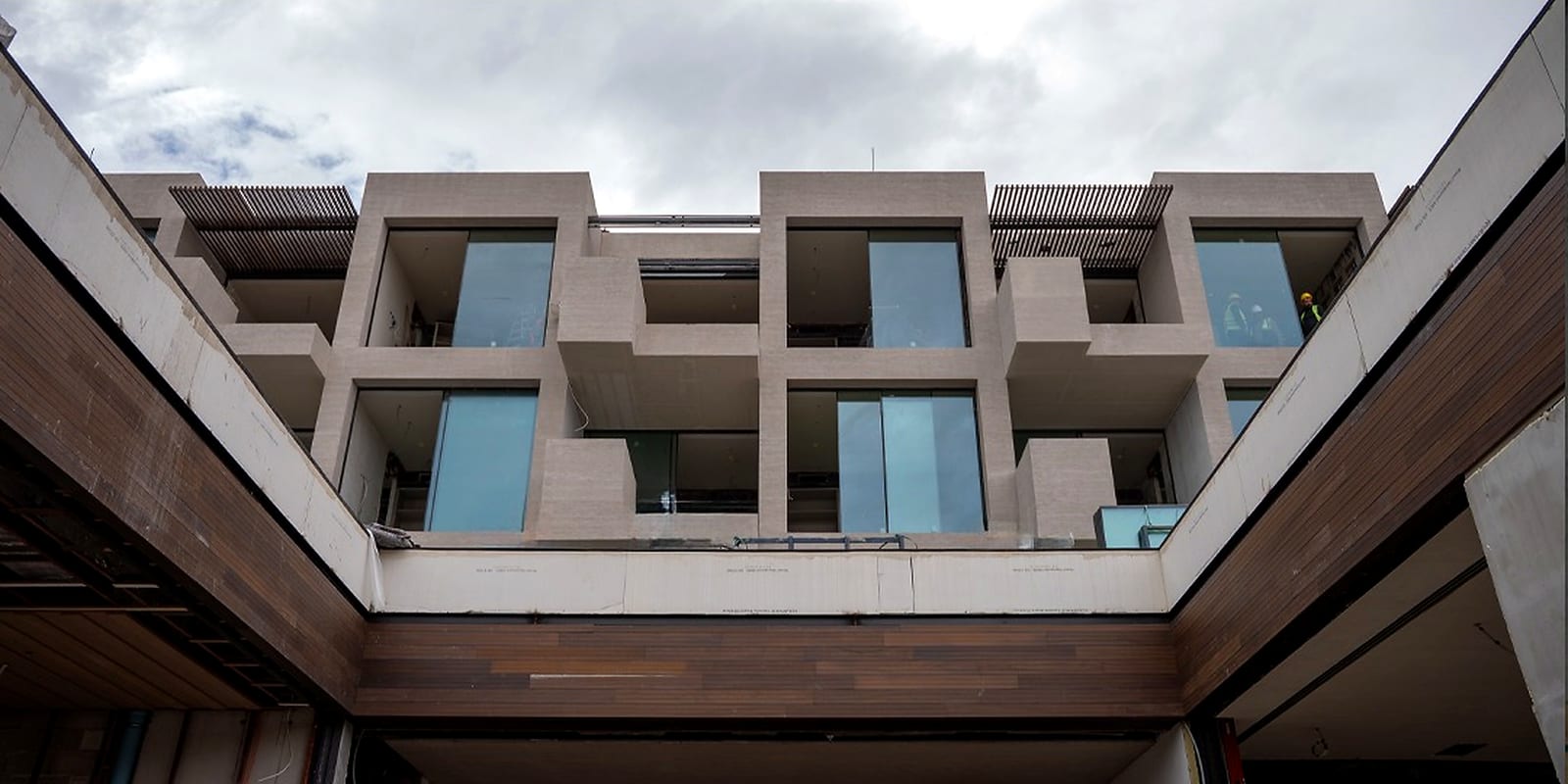
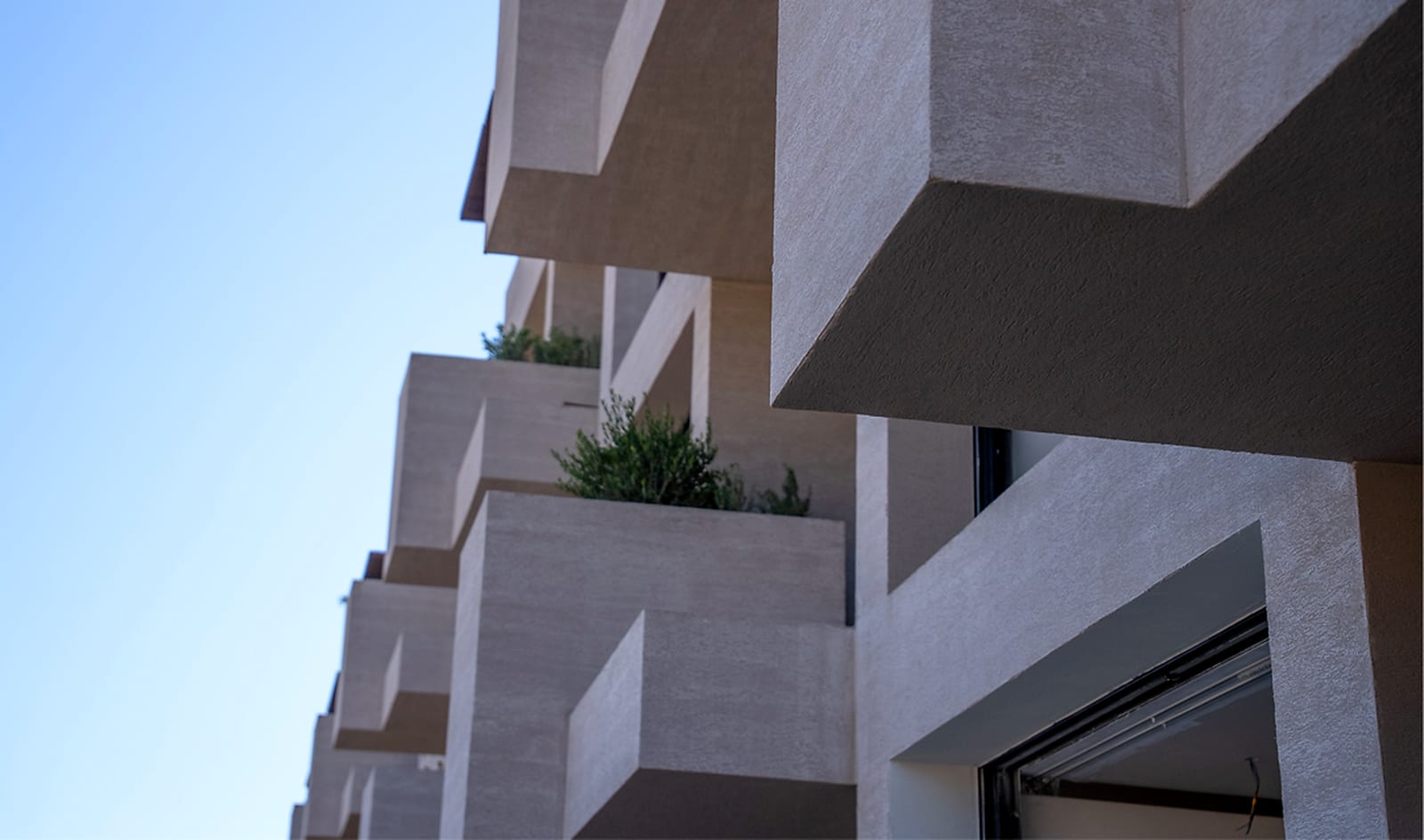
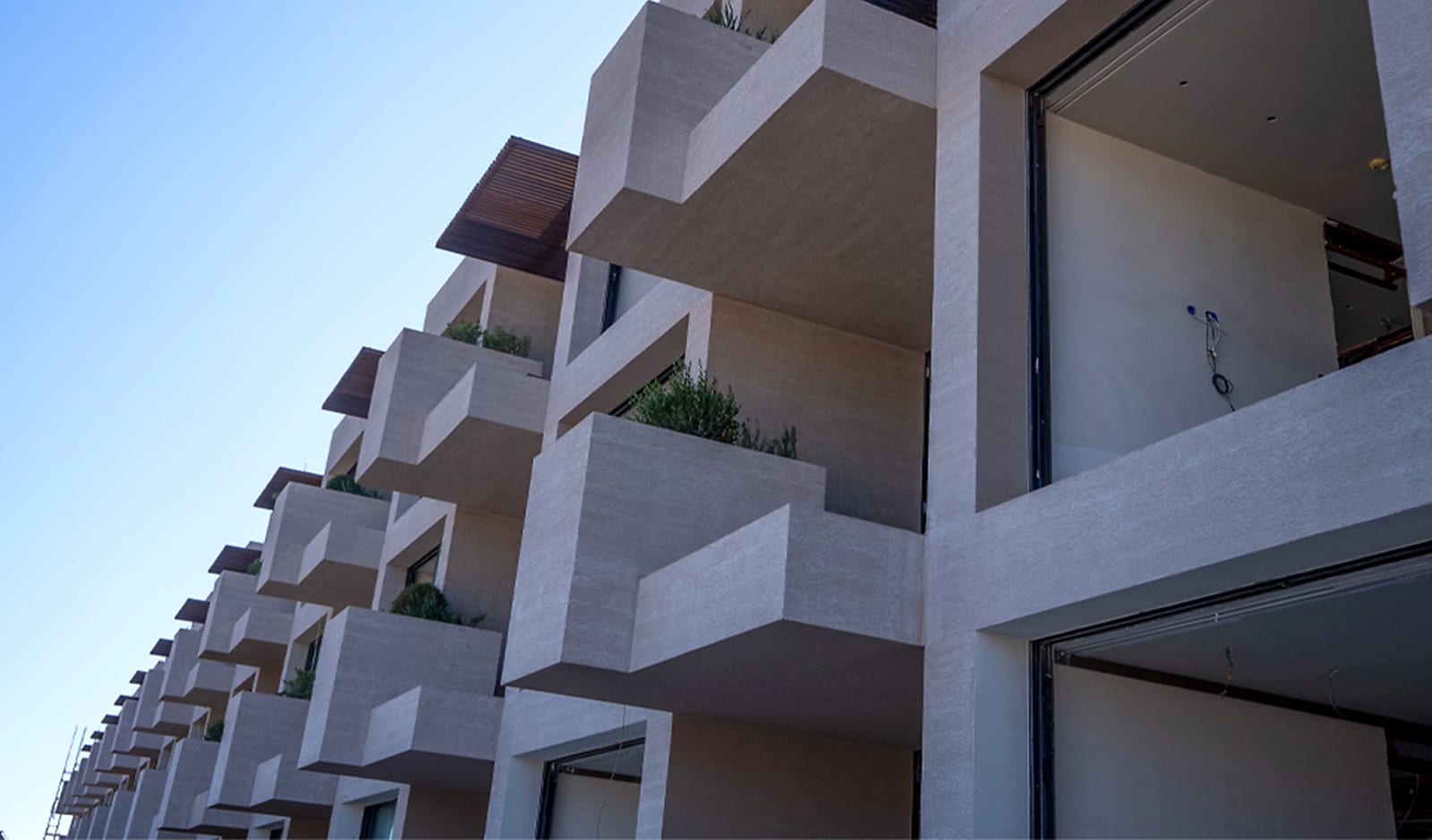
Detail
Architectural quality is read at the junctions before it is read on the large surfaces; module layout, joint patterns, gridlines, terminations, corner solutions, and the relationship with adjoining work are all evaluated together.
Site search
What are you looking for?
Suggested Pages
0 resultsNo results found for your search term.
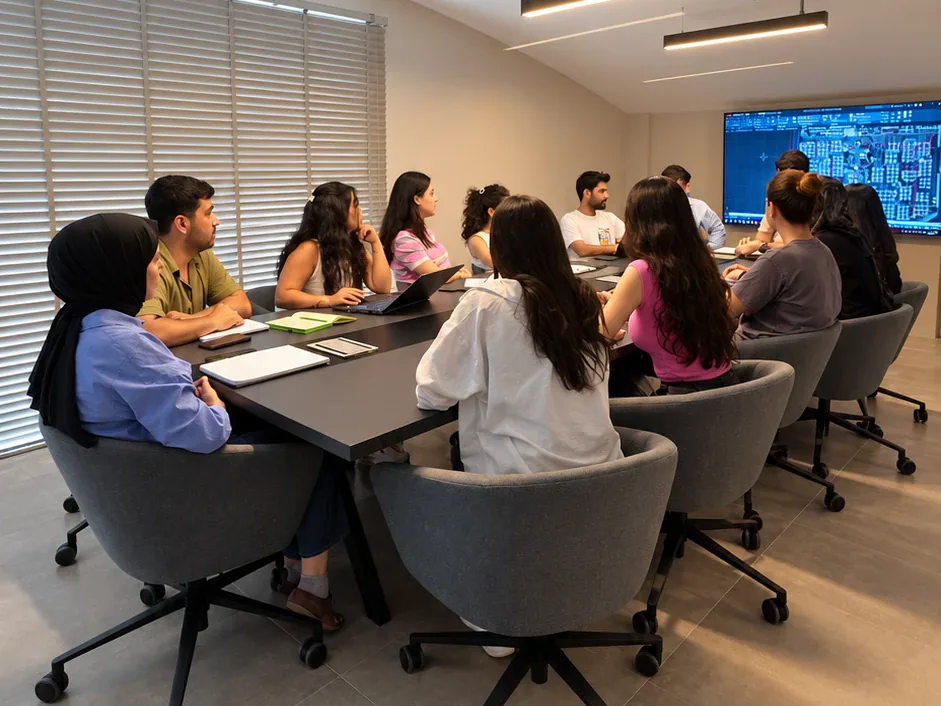
Realizing architectural design decisions on site while preserving material integrity, detailing, connections, and execution quality.
Architectural execution is not simply about following a drawing's dimensions. The character of the material, how it is joined, surface continuity, tolerances, joints, gridlines, levels, and its relationship with technical systems all determine the final appearance of the design. As it translates architectural decisions into execution detail, Borda Yapı manages the relationship between design intent and site reality.
SYSTEM SCOPE
ENGINEERING PROCESS
DELIVERY APPROACH
Architectural quality is read at the junctions before it is read on the large surfaces; module layout, joint patterns, gridlines, terminations, corner solutions, and the relationship with adjoining work are all evaluated together.
In areas with a high degree of repetition, material, color, texture, jointing, connections, workmanship, and finished appearance are evaluated through a mock-up. The approved standard then becomes the reference for the site teams going forward.
Thickness variations, installation method, substructure, adhesive or mechanical fixing requirements, and the level relationship with adjoining surfaces are all resolved before installation begins.
Equipment concealed above ceilings, light fixtures, grilles, sensors, and access panels are all part of the architectural composition; the goal is to resolve technical requirements without compromising architectural decisions after the fact.
Millimeters become visible in the finished space; measurement and setting-out are a control process repeated at different stages of execution.
FREQUENTLY ASKED QUESTIONS
No. Design establishes the decisions for the space; architectural execution covers realizing those approved decisions on site in line with the required material, detail, and workmanship standards. Borda's exact scope of responsibility is defined by the project contract.
Site conditions may require a revision. However, a change is never implemented until its impact on the design decision, other trades, and technical requirements has been evaluated.
It is not mandatory for every element. It is a valuable control method for work that is highly repetitive, costly, technically sensitive, or critical to visible quality.
A sample mostly shows the material itself; a mock-up shows how that material performs when built with the actual detail and workmanship method.
The main risks are uncoordinated junctions, level and gridline deviations, material tolerances, inadequate surface preparation, incorrect sequencing, and failure to protect completed work.
Unclear details and site conditions are clarified through controlled document and approval processes such as RFIs, shop drawings, samples, or mock-ups.