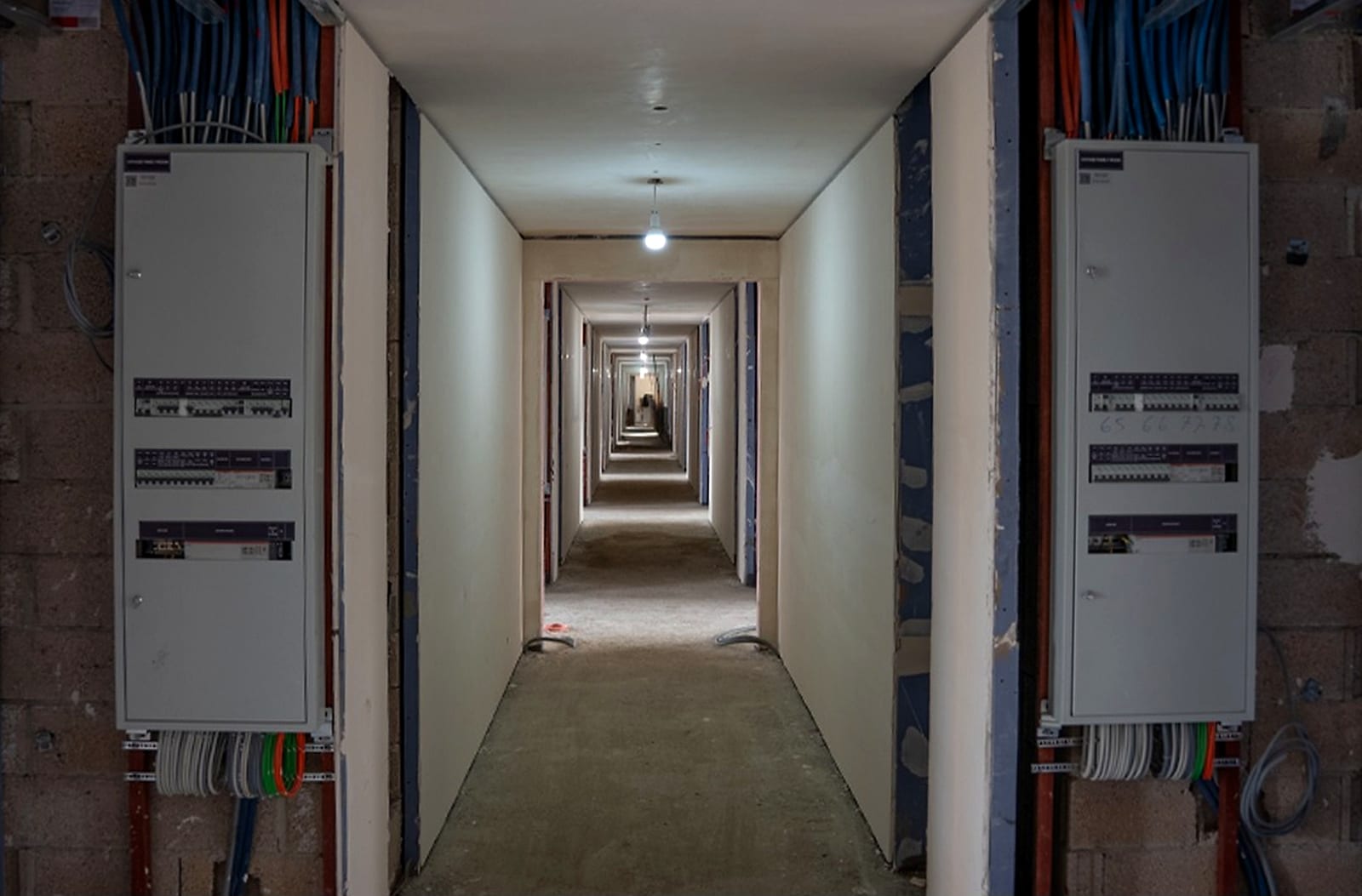
05 / EXPERTISE

Technical Office & Coordination

Technical Office & Coordination

We resolve site uncertainty at the desk before it reaches the field.

Coordinated management of shop drawings, RFIs, submittals, quantity take-offs, surveys, progress payments, revisions, document control, and as-built processes alongside site execution.

The technical office is not a unit where project files are simply archived. It is the center where design decisions are made buildable, site queries are resolved technically, revisions are controlled, and execution is recorded. A technical office that functions correctly reduces the loss of information between the site and the project documents.

SYSTEM SCOPE

  • Document control and drawing register
  • Shop drawings
  • RFIs and technical submittals
  • Material submittals and sample tracking
  • Quantity take-off, survey, and progress payments
  • Revision and change records
  • As-built and handover documentation

ENGINEERING PROCESS

01 ANALYSIS
02 ENGINEERING
03 COORDINATION
04 IMPLEMENTATION
05 TESTING
06 COMMISSIONING
07 HANDOVER

DELIVERY APPROACH

Delivery decisions that protect investment value

Document Control

There should be one single source of truth on site: the current, approved document. Numbering, revision, issue date, approval status, distribution, and archive information are all made traceable, preventing outdated revisions from being used on site.

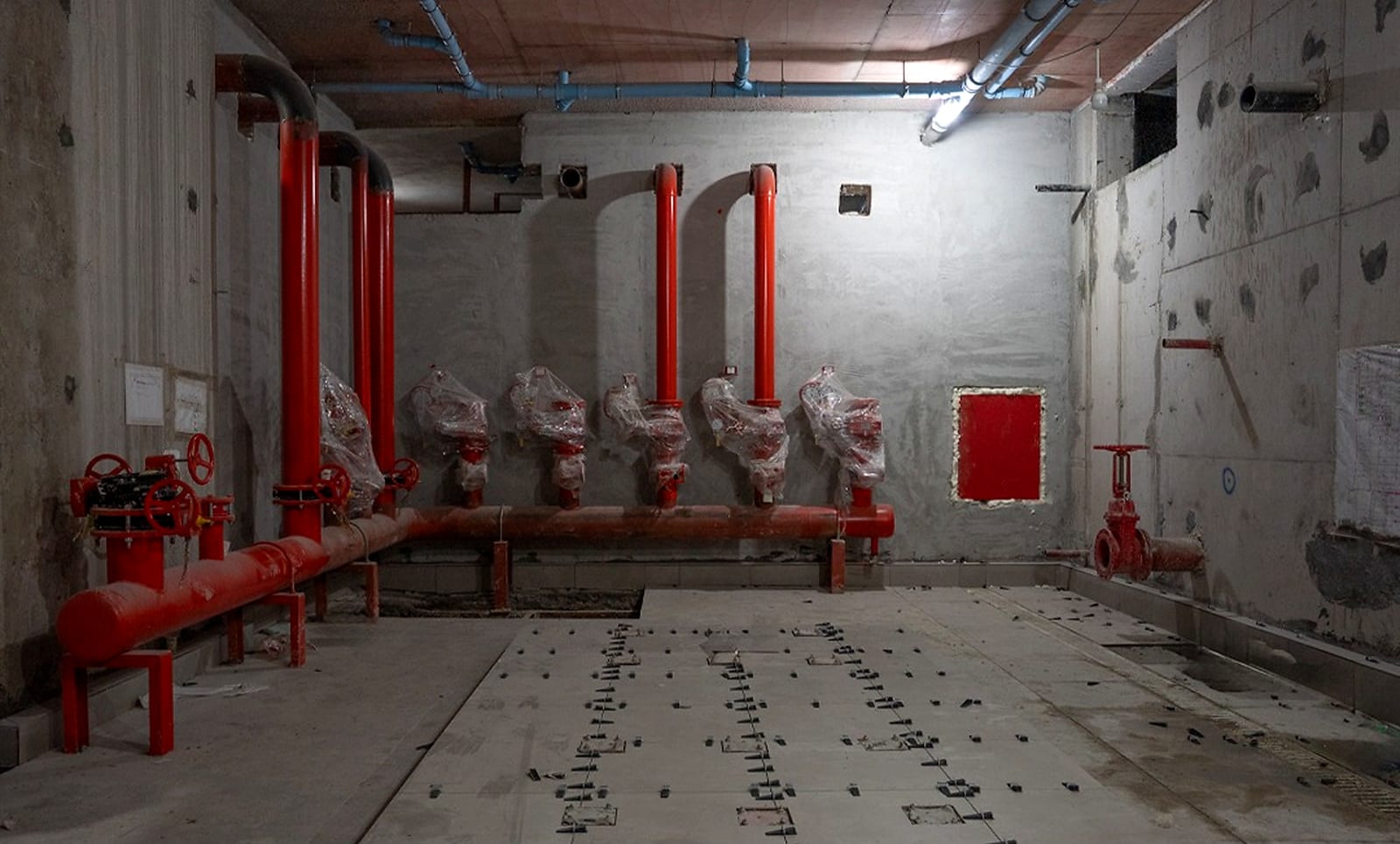
Shop Drawings

We bring the design decision down to execution level; dimensions, levels, material thicknesses, connections, assembly details, and coordination points are all shown.

RFIs

We resolve uncertainty by asking, not by guessing. A well-prepared RFI clearly defines the problem, and RFI records allow project decisions to be traced later.

Submittals

We verify the product to be used before it is installed; technical datasheets, product codes, performance values, certificates, samples, and warranty documents are all reviewed.

Quantity Take-off and Survey

Quantity take-off is not merely a quantity calculation; it underpins understanding the scope, planning procurement quantities, cost control, verifying progress payments, and assessing changes.

Change Control

A revision does not only change a drawing; it can affect quantities, procurement, work already installed, the program, and cost. Changes are also tracked across the project's other control systems.

As-Built Documentation

The documentation delivered at the end of a project should show what was actually built, not what was designed. Keeping the as-built record up to date during execution, rather than compiling it at the end, produces a far more reliable result.

FREQUENTLY ASKED QUESTIONS

About We resolve site uncertainty at the desk before it reaches the field.

What is the difference between an RFI and a shop drawing?

An RFI is a formal request for information or a decision on an unclear or conflicting issue. A shop drawing, on the other hand, is a technical drawing that shows the execution detail of an already approved design decision.

Why is a submittal prepared?

It is prepared to verify, before installation or procurement, that the material or equipment to be used complies with the project requirements.

Why are as-built drawings important?

They are one of the key technical records showing how the building was actually constructed, which is essential for maintenance, renovation, or any future intervention.

What happens without revision control?

Different teams may end up working from different drawing revisions. This can lead to incorrect work, demolition and rework, and loss of time and cost.

Does the technical office work separately from the site?

No. An effective technical office is in constant communication with the site — only through this exchange can a detail that looks correct on paper be confirmed as buildable under actual site conditions.

When should quantity take-offs be prepared?

It begins at the initial tender and planning stage and is then updated throughout the project in line with design revisions and the work actually carried out.

Does a shop drawing replace the design drawings?

No. It translates the approved design principles into execution detail. If a design change is required, the relevant approval process is carried out separately.