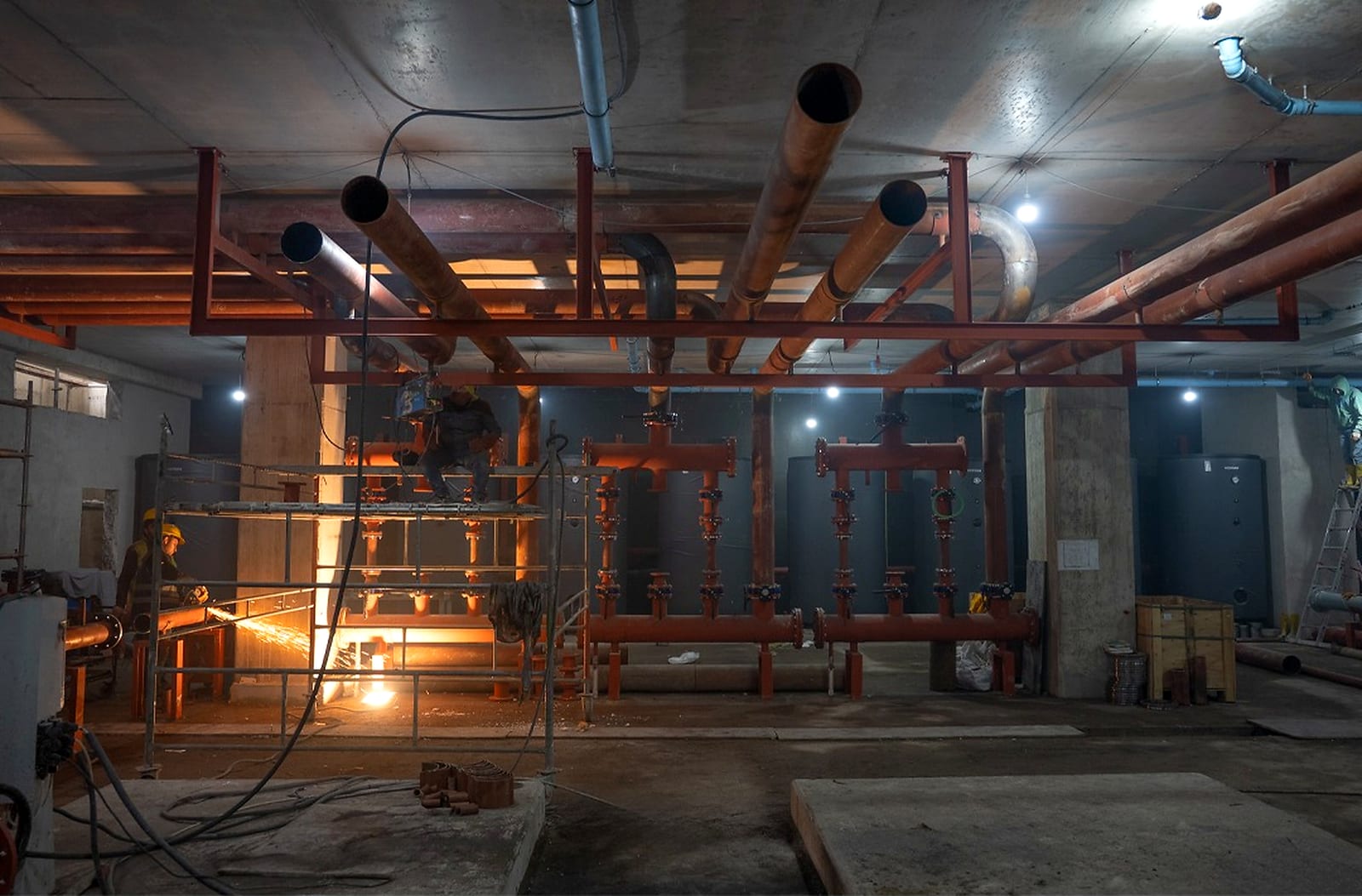
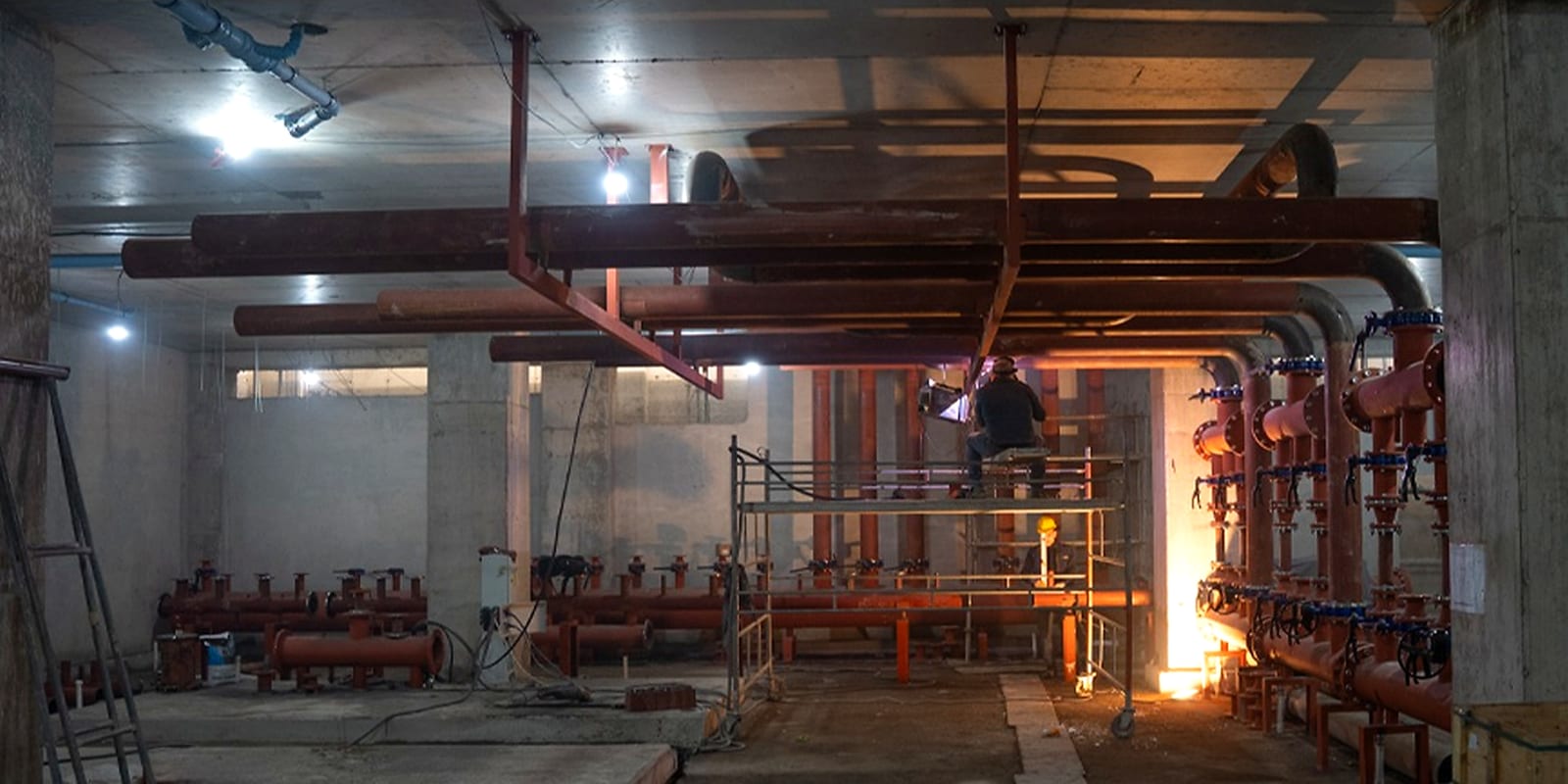
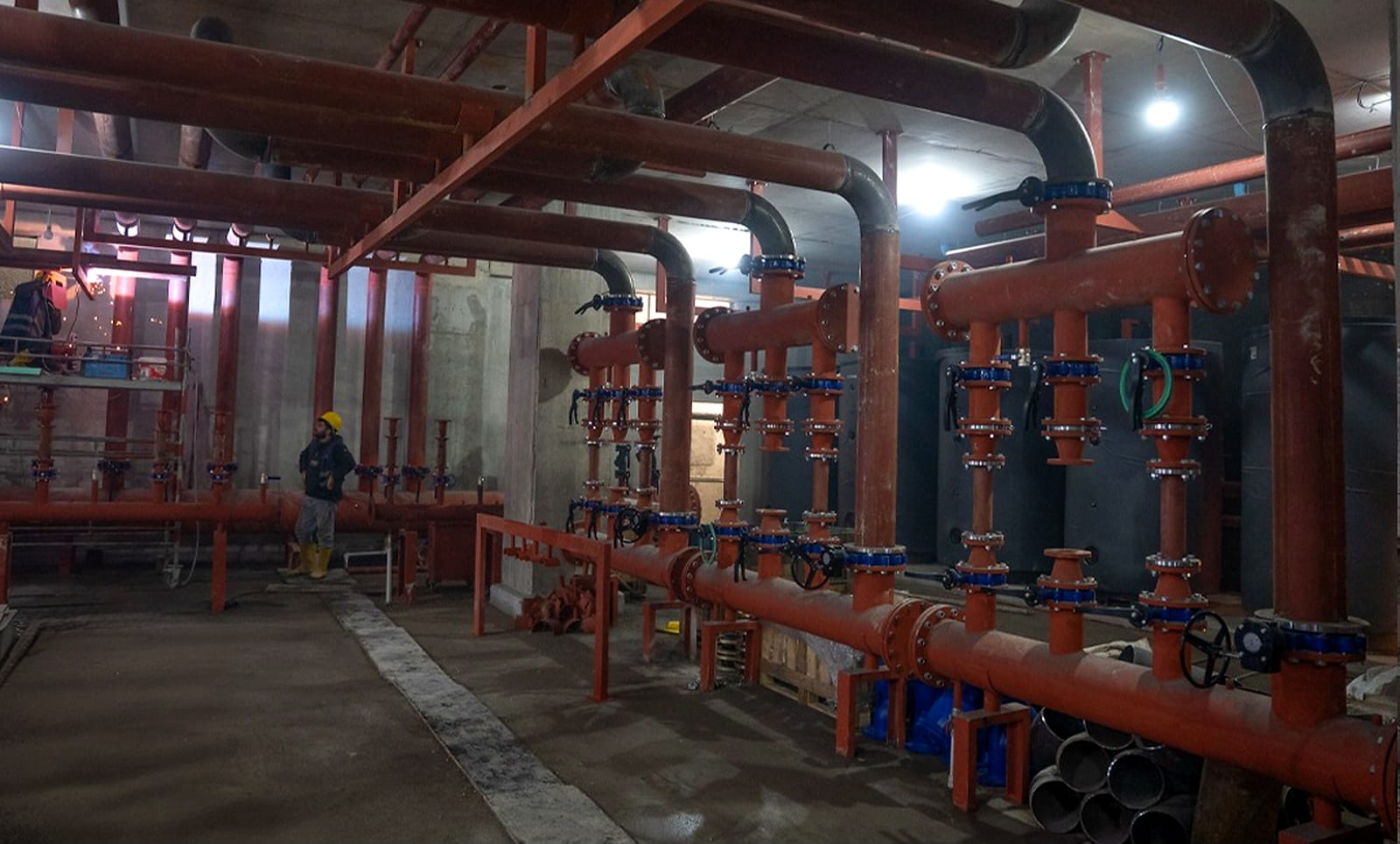
Work Program
We use the program as a management tool, not a report; the WBS, activities, dependencies, milestones, critical path, procurement, and handover processes are all evaluated together.
Site search
What are you looking for?
Suggested Pages
0 resultsNo results found for your search term.
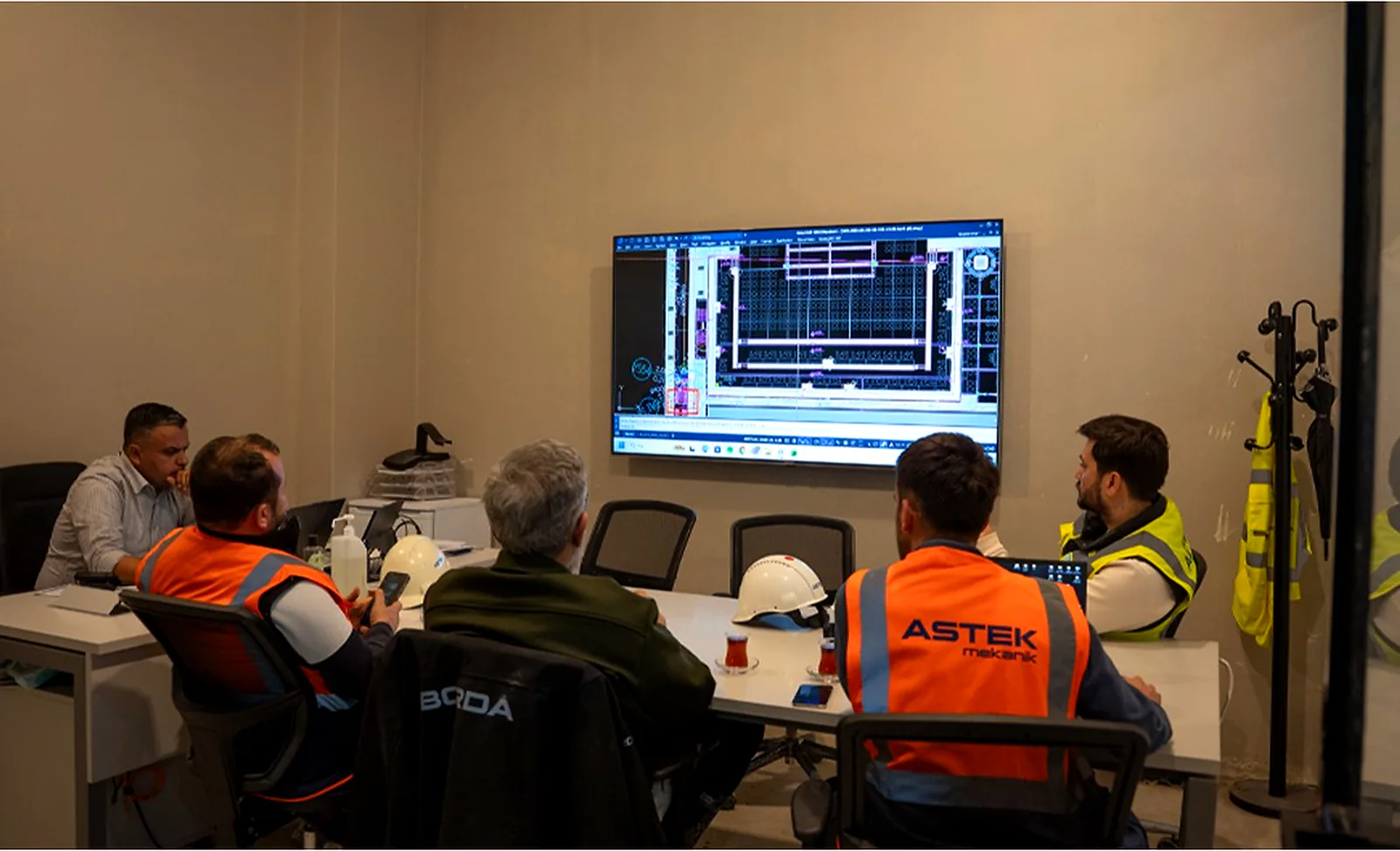
Management of the work program, resources, site logistics, team coordination, progress tracking, meetings, and reporting processes.
Every activity taking place on site at the same time can affect the start of another activity, its work area, material flow, or crew planning. Project and site management does not merely track these moving parts; it turns them into something interrelated, measurable, and manageable.
SYSTEM SCOPE
ENGINEERING PROCESS
DELIVERY APPROACH
We use the program as a management tool, not a report; the WBS, activities, dependencies, milestones, critical path, procurement, and handover processes are all evaluated together.
Not every delay has the same impact. The Critical Path Method (CPM) directs management attention not simply to the works that are behind schedule, but to the activities that genuinely affect project completion.
Two-, three-, or four-week look-ahead plans surface the obstacles standing in front of upcoming work — up-to-date drawings, approvals, materials, crew, and safety requirements — before they reach the site.
Crew coordination, work-area planning, site logistics, material movement, subcontractor coordination, and health-and-safety coordination are all evaluated together.
We measure progress rather than sense it. Planned and actual progress are compared to analyze deviations, and recovery actions are reassessed when needed.
The output of a good meeting is a decision, not another meeting. Open issues, owners, target dates, and schedule risks are tracked through clear records.
Construction is not only about building; it is also about managing movement. Material deliveries, temporary storage, haulage, personnel movement, and the allocation of work areas are all planned in advance.
FREQUENTLY ASKED QUESTIONS
The master program shows the project as a whole and its key milestones. The look-ahead program addresses near-term activities in greater detail and provides a readiness check for the site.
It is the chain of linked activities that determines the project's completion date. A delay to an activity on the critical path affects the completion date unless it is recovered.
Depending on the work package, quantities, completed area, unit count, tonnage, or defined weighted-progress methods can be used. The measurement method is agreed at the start of the project.
Depending on the scale of the project, daily coordination meetings, weekly site meetings, and periodic management meetings can be held, each serving a different purpose.
The cause of the delay and its impact on the schedule are analyzed first. Once its effect on the critical path is established, options such as additional resources, resequencing, alternative work areas, or other recovery scenarios are evaluated.
Yes. Guest circulation, noise, dust, working hours, service corridors, security, temporary closures, and the need for operational continuity all call for more careful phasing and logistics planning.